
The History of Pools: From Ancient Baths to Modern Backyard Luxury
The History of Pools
Swimming pools may feel like a modern luxury, but the idea of gathering around water for relaxation, beauty, exercise, and refreshment is thousands of years old. Long before today’s custom pools, spas, sun shelves, and outdoor living spaces, people were building special places to bathe, swim, cool off, exercise, and gather.
From ancient civilizations to Roman bathhouses, from competitive swimming pools to modern backyard retreats, the history of pools tells a story about comfort, craftsmanship, health, family, and the timeless appeal of water.
Today, homeowners in Cape Coral, Fort Myers, Sanibel, Naples, and throughout Southwest Florida can enjoy pools that combine ancient inspiration with modern design. A well-built pool is no longer just a place to swim. It can be the centerpiece of a home, a family gathering place, and a private resort in the backyard.
Ancient Pools: The Beginning of Water as a Gathering Place
Some of the earliest known pool-like structures date back thousands of years. Ancient civilizations understood that water was more than a practical necessity. It had social, religious, health, and cultural meaning.
One of the most famous ancient examples is the Great Bath of Mohenjo-daro, located in what is now Pakistan. Built during the Indus Valley Civilization, this large brick-lined water tank is often considered one of the earliest known public bathing structures in the ancient world. It was not a modern swimming pool in the way we think of one today, but it shows how long people have valued designed water spaces.
These early pools and bathing areas were often connected to purification, ritual, status, and community. They were carefully constructed, sometimes with steps, drainage systems, and waterproofing methods that were advanced for their time.
Even thousands of years ago, people recognized something we still understand today: water has the power to bring people together.
Greek and Roman Baths: Pools Become Social Spaces
The ancient Greeks and Romans helped shape the idea of the pool as a place for health, fitness, relaxation, and social life.
In ancient Greece, bathing and athletic training were often connected. Water was part of physical preparation, hygiene, and recovery. As Greek culture spread, public bathing spaces became more common in different parts of the Mediterranean world.
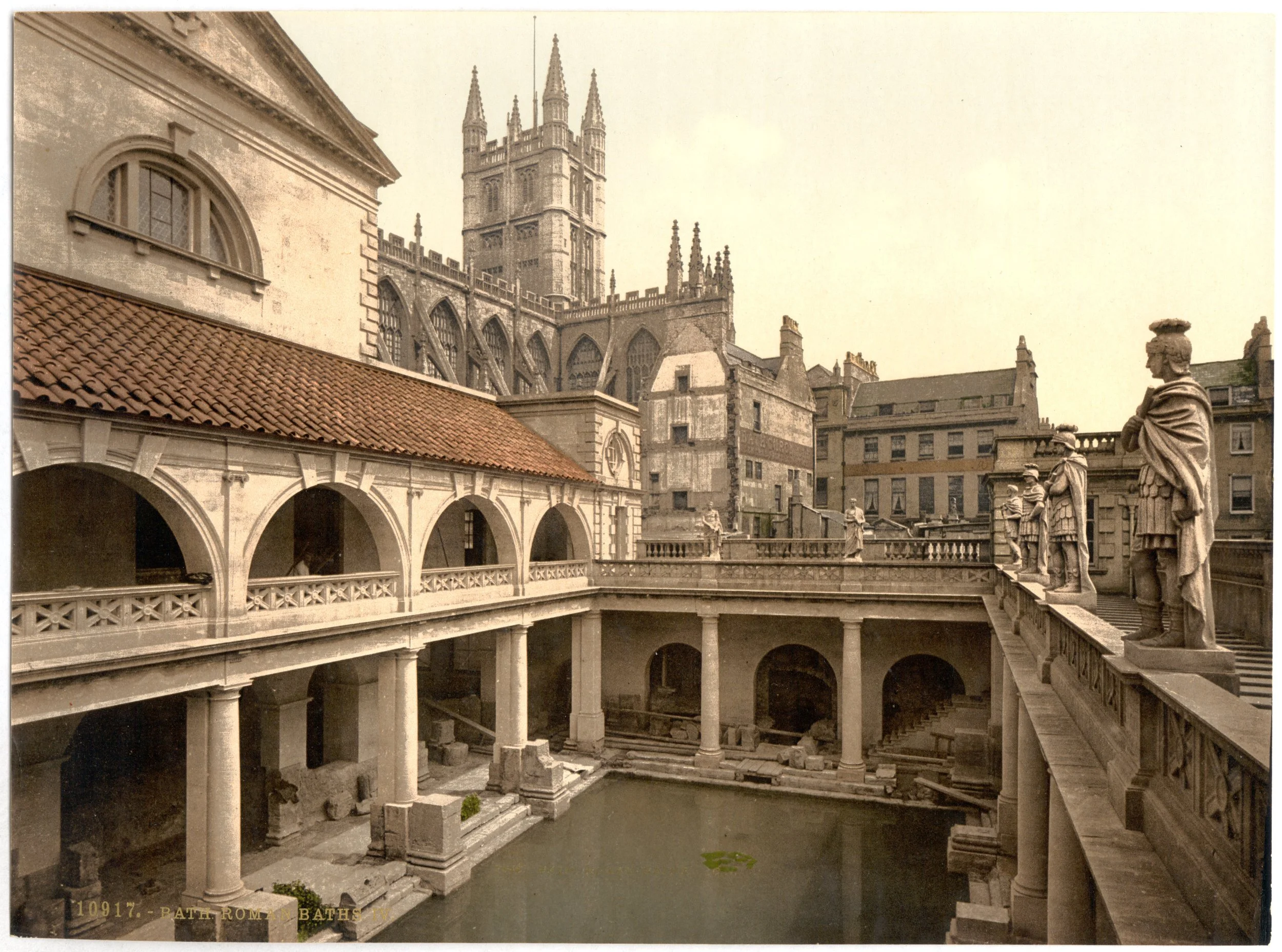
The Romans took the idea even further. Roman baths were large public facilities that often included warm baths, cold baths, exercise areas, courtyards, changing rooms, and social spaces. These were not just places to get clean. They were gathering places where people met, talked, relaxed, and took part in daily life.
Roman bath construction also showed impressive engineering. Some baths used sophisticated heating systems, aqueduct-fed water supplies, drains, stonework, and large vaulted spaces. The Roman approach to water design influenced architecture for centuries.
Modern pools are very different from Roman baths, but the basic idea remains familiar. A great pool area is not only about water. It is about the experience around the water.
Pools Through the Middle Ages and Renaissance
After the fall of the Roman Empire, large public bathing culture declined in many parts of Europe. In some areas, public baths remained in use, while in others, attitudes toward bathing changed over time.
During the Middle Ages, access to large bathing facilities varied depending on location, culture, and class. In the Islamic world, public bathhouses continued to flourish. In parts of Europe, bathhouses existed but were not always as grand or widespread as the earlier Roman models.
During the Renaissance and later periods, interest in architecture, gardens, fountains, and water features grew again among wealthy families and estates. Water became an important design element in palaces, villas, courtyards, and formal gardens. Pools, fountains, reflecting basins, and canals were used to create beauty, symmetry, and a sense of luxury.
This period helped connect water with lifestyle design. Water was no longer only useful. It was also decorative, elegant, and emotional.
That same idea continues today in custom pool design. A pool should work well, but it should also elevate the entire property.
The Rise of Swimming as Recreation and Sport
By the 1800s and early 1900s, swimming became more organized as a recreational and athletic activity. Public swimming baths and pools became more common in cities, schools, clubs, and athletic facilities.
As swimming grew in popularity, pools began to serve different purposes. Some were built for hygiene and public health. Others were built for training, competition, and recreation. Swimming clubs and competitions helped turn swimming into a recognized sport.
The modern Olympic Games played a major role in making swimming more visible worldwide. Competitive swimming was included in the first modern Olympic Games in 1896, and women’s swimming events were added in 1912. As competitive swimming developed, pool design became more standardized, with attention to length, lanes, timing, water quality, and spectator viewing.
Pools were no longer only private luxuries or public bathhouses. They became places of sport, discipline, recreation, and community life.
Backyard Pools Become Part of the American Dream
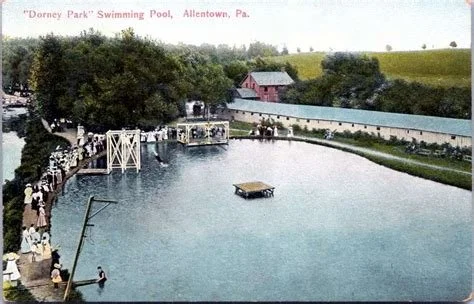
In the 20th century, especially after World War II, residential pools became more popular in the United States. As suburbs grew, more families wanted outdoor living spaces at home. Improvements in construction, filtration, plumbing, pumps, and pool finishes made private pools more practical and more desirable.
In warm-weather states like Florida, pools became especially appealing. A backyard pool offered relief from the heat, a place for children to play, a setting for entertaining, and a way to enjoy the outdoors year-round.
For many homeowners, the pool became a symbol of comfort and success. It was a place where families gathered on weekends, neighbors came over for cookouts, and children made summer memories.
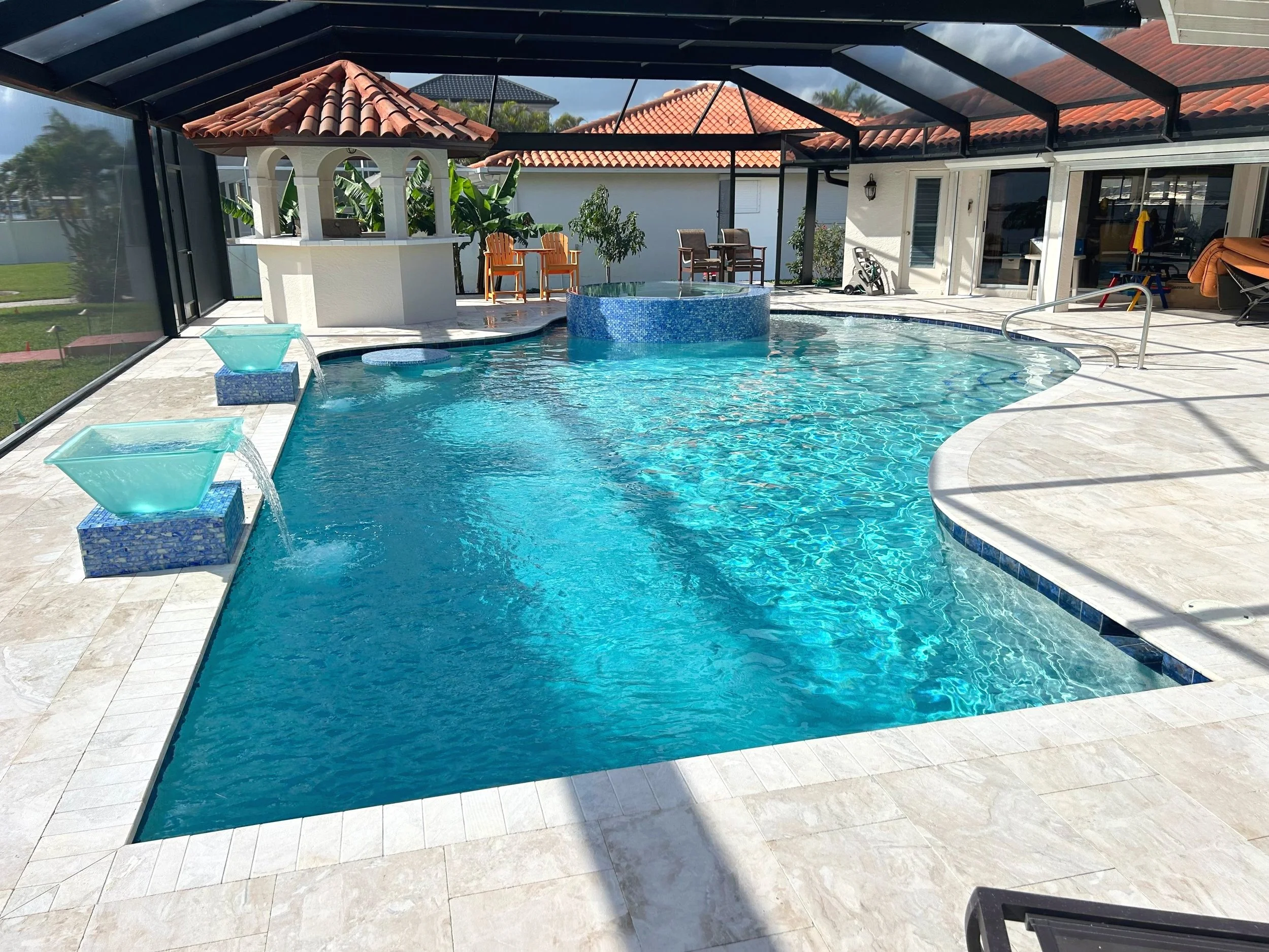
Over time, backyard pools evolved from simple rectangles into more customized designs. Homeowners began adding spas, curves, landscaping, lighting, waterfalls, decorative tile, and larger patios. The pool became part of a complete outdoor lifestyle.
Modern Pool Design: From Swimming Area to Outdoor Living Space
Today’s pools are more advanced, more personal, and more beautiful than ever before. A modern custom pool can be designed around the way a family actually lives.
Instead of simply asking, “How big should the pool be?” homeowners now ask questions like:
What kind of view do we want from the house?
Where will people sit and relax?
Should we add a spa?
Do we want a sun shelf?
Will children or grandchildren use the pool?
How much deck space do we need for entertaining?
What lighting will make the pool beautiful at night?
How should the pool connect to the lanai, patio, or outdoor kitchen?
Modern pool features can include:
Sun shelves
Walk-in entries
Built-in benches
Raised spas
Waterfalls
Bubblers
Fire bowls
LED lighting
Custom tile
Infinity edges
Outdoor kitchens
Screened lanais
Tropical landscaping
Automation and smart controls
These features show how far pools have come. What began as simple bathing areas in ancient civilizations has become a highly personalized design experience.
The Florida Pool: Built for Lifestyle
In Southwest Florida, pools are not just seasonal features. They are part of everyday living.
Cape Coral, Fort Myers, Naples, Sanibel, and the surrounding areas have the climate, scenery, and lifestyle that make pool ownership especially rewarding. A pool can create a private retreat, a family gathering space, a place to cool off, and a beautiful extension of the home.
Florida pool design also has its own practical considerations. A pool in Southwest Florida should be built with local weather, sun exposure, drainage, landscaping, materials, and long-term durability in mind. The right design can make a backyard more comfortable, more usable, and more valuable.
This is where experience matters. A pool should not only look good on paper. It should be built to perform well in the Florida climate and fit the homeowner’s property, lifestyle, and long-term goals.
What the History of Pools Teaches Us
The history of pools shows that people have always been drawn to water. Across cultures and centuries, pools have served many purposes:
A place to cool off
A place to gather
A place for health and relaxation
A place for exercise
A place of beauty
A place of family memories
A place that improves daily life
That history still matters today. The best modern pools are not only about construction. They are about creating a feeling.
A great pool should feel refreshing in the heat of the day. It should look beautiful from inside the home. It should invite family and friends to gather. It should offer quiet moments in the evening. It should make the backyard feel complete.
From Ancient Inspiration to Your Backyard
The pool has come a long way from ancient bathing tanks and Roman bathhouses. Today’s custom pools can include beautiful materials, modern engineering, family-friendly features, relaxing spas, dramatic lighting, and resort-style design.
But the reason people love pools has not changed very much.
People still love being near water. They still love relaxing, gathering, cooling off, and creating memories. They still want spaces that make home feel more beautiful and enjoyable.
If you are thinking about building a custom pool in Cape Coral, Fort Myers, Sanibel, Naples, or anywhere in Southwest Florida, Classic Pool Design can help you create a pool that honors the timeless appeal of water while fitting your modern lifestyle.
Whether you want a peaceful retreat, a family-friendly pool, a spa, a sun shelf, a walk-in entry, or a complete backyard transformation, the right design can turn your outdoor space into something special.
Build Your Own Piece of Pool History
Every pool has a story. Some are built for children and grandchildren. Some are built for entertaining. Some are built for quiet evenings and peaceful mornings. Some are built to turn an ordinary backyard into a private Florida resort.
The history of pools is thousands of years old, but your pool story can begin right at home.
Ready to design a custom pool for your Southwest Florida home?
Contact Classic Pool Design today to start planning a pool that is beautiful, functional, and built for the way you want to live.
FAQ: The History of Pools
When were pools first invented?
Some of the earliest pool-like structures date back thousands of years. The Great Bath of Mohenjo-daro, built during the Indus Valley Civilization, is often considered one of the earliest known public bathing structures.
Did the Romans have swimming pools?
The Romans built large public bath complexes that included different types of bathing areas, heated rooms, cold pools, exercise spaces, and social areas. While they were different from modern swimming pools, they helped shape the idea of water spaces for relaxation and community.
When did swimming pools become popular in America?
Residential swimming pools became more popular in the United States during the 20th century, especially as suburbs expanded and outdoor living became more important to homeowners.
Why are pools so popular in Florida?
Florida’s warm climate makes pools useful for much of the year. In Southwest Florida, a pool can provide a place to cool off, entertain guests, enjoy family time, and improve the home’s outdoor living space.
Who builds custom pools in Cape Coral, FL?
Classic Pool Design builds custom pools and spas in Cape Coral, Fort Myers, Sanibel, Naples, and throughout Southwest Florida. The company helps homeowners design pools that fit their property, lifestyle, and long-term vision.