
Essential Pool Maintenance Tips for Cape Coral Homeowners
Keep your Cape Coral pool sparkling and inviting with these essential maintenance tips. Dive into easy routines that ensure your oasis stays in top shape!
Understanding the Importance of Pool Maintenance
Owning a pool in Cape Coral can be a delightful experience, offering a refreshing escape from the Florida heat. However, maintaining a pool is not just about aesthetics. Proper pool maintenance ensures that the water remains clean, clear, and safe for swimming. Neglecting regular upkeep can lead to a range of issues, from algae growth to equipment failure, which can be costly and time-consuming to fix.
Moreover, a well-maintained pool enhances the overall value of your property. Potential buyers are more likely to be attracted to a home with a pristine pool, as it reflects the care and attention given to the property. Regular maintenance also prolongs the lifespan of your pool, saving you money on major repairs and replacements in the long run.
In addition to financial benefits, maintaining your pool properly can prevent health risks. Stagnant or unclean pool water can become a breeding ground for bacteria and other harmful microorganisms. By committing to a regular maintenance routine, you ensure that your pool remains a safe and enjoyable place for family and friends to gather.
Essential Tools for Pool Maintenance
To keep your pool in top condition, you'll need a set of essential tools. First and foremost, a good-quality skimmer net is indispensable for removing leaves, bugs, and other debris from the surface of the water. Regular skimming not only keeps your pool looking clean but also prevents debris from sinking and causing potential staining or clogging your filtration system.
Another crucial tool is a pool brush. Algae and dirt can accumulate on the walls and floor of your pool, leading to slippery surfaces and unsightly stains. Using a pool brush weekly helps to scrub away these contaminants, ensuring that your pool stays clean and safe. Make sure to choose a brush with bristles suitable for your pool's surface material to avoid damage.
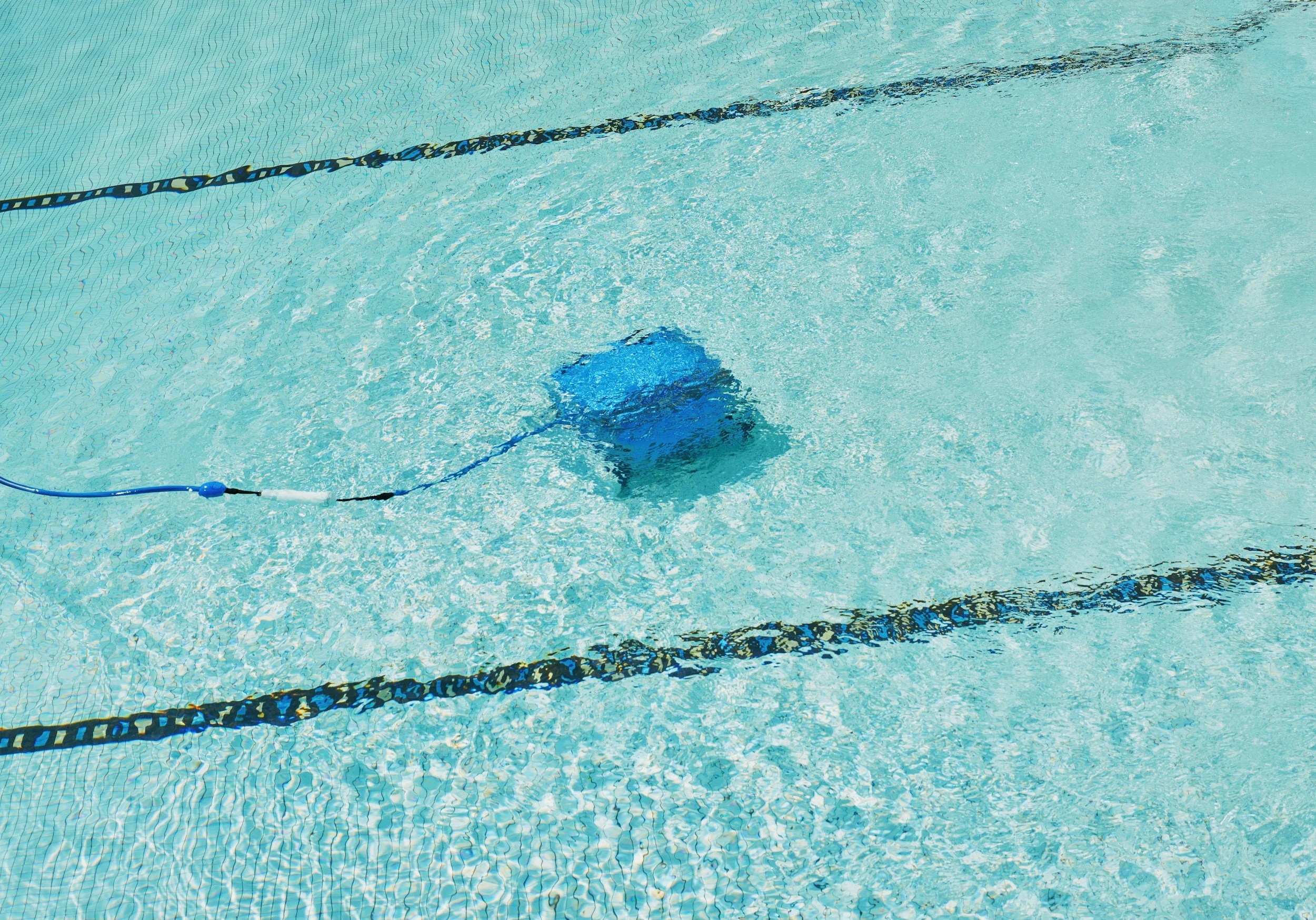
Additionally, a good-quality pool vacuum is essential for thorough cleaning. Whether you opt for a manual or automatic vacuum, this tool helps clean the bottom of the pool where debris tends to settle. Investing in a reliable pool vacuum can save you considerable time and effort, making your maintenance routine more efficient and effective.
Daily Pool Maintenance Checklist
Daily pool maintenance tasks may seem tedious, but they are vital for keeping your pool in pristine condition. Start each day by skimming the water’s surface to remove any floating debris. This simple act prevents the debris from sinking to the bottom and becoming more challenging to remove later.
Next, check the water level. The water should be at the midpoint of your pool skimmer or pool tile. If the water level is too low, the pump can run dry and get damaged. Conversely, if the water level is too high, the skimmer door won’t work as effectively. Adjust the water level accordingly to maintain optimal conditions for your pool equipment.
Daily inspections of your pool equipment are also crucial. Ensure that the pump and filter are operating correctly and inspect for any signs of wear or damage. Catching issues early can prevent more significant problems down the line and keep your pool running smoothly. By dedicating a few minutes each day to these tasks, you can enjoy a clean and inviting pool throughout the season.
Weekly Pool Maintenance Tasks
In addition to daily maintenance, weekly tasks are essential to ensure your pool remains in top shape. Start by testing the water chemistry. Proper balance of chemicals like chlorine, pH, and alkalinity is crucial for keeping the water clean and safe. Use a reliable testing kit and adjust the chemical levels as needed to maintain a healthy swimming environment.
Brush the walls and floor of your pool to prevent algae buildup and remove any dirt or debris that may have accumulated over the week. Pay special attention to areas with poor circulation, such as steps and corners, as these spots are prone to algae growth. A thorough brushing helps keep your pool surfaces clean and safe for swimming.
Vacuuming your pool should be done weekly to remove debris that has settled on the bottom. Whether you use a manual or automatic vacuum, this task ensures that your pool remains free of dirt and other contaminants. Regular vacuuming also helps maintain proper water circulation and prevents strain on your filtration system.
Eco-Friendly Pool Chemicals: A Smarter, Healthier Choice
More Cape Coral homeowners are choosing eco-friendly pool chemicals as a safer and more sustainable way to maintain their pools. These alternatives reduce harsh chemical exposure while still keeping pool water clean and balanced.
Eco-friendly options may include:
Mineral-based sanitizers that reduce chlorine demand
Saltwater systems, which produce chlorine naturally and are gentler on skin and eyes
Enzyme-based cleaners that break down oils and organic contaminants
Low-phosphate treatments that help prevent algae growth naturally
Using greener pool chemicals can improve water quality, reduce irritation to skin and eyes, and lessen the environmental impact on Cape Coral’s waterways. While traditional chlorine is still effective, combining it with eco-friendly solutions can significantly reduce chemical usage without sacrificing safety.
Consulting a professional pool service can help determine which eco-friendly options work best for your specific pool and usage needs.
Monthly Pool Care Guidelines
Monthly maintenance tasks are essential for the long-term health of your pool. One important task is to inspect and clean your pool’s filter. Depending on your filter type (sand, cartridge, or diatomaceous earth), the cleaning process will vary. A clean filter ensures that your pool water remains clear and that your filtration system operates efficiently.
Another monthly task is to check the pool’s water balance in greater detail. While weekly testing covers the basics, a more comprehensive water test once a month can reveal underlying issues that may not be immediately apparent. Test for calcium hardness, cyanuric acid levels, and other important parameters to ensure your water chemistry is well-balanced.
Inspecting the pool’s equipment, such as the pump, heater, and chlorinator, is also crucial. Look for any signs of wear, leaks, or malfunctions, and address them promptly. Regular inspections help you catch potential problems early, preventing costly repairs and ensuring that your pool equipment functions optimally.
Common Pool Problems and Solutions
Despite your best efforts, common pool problems can still arise. Algae growth is one of the most frequent issues pool owners face. Algae can turn your pool green and make surfaces slippery. To combat algae, maintain proper chlorine levels, brush the affected areas, and use an algaecide if necessary.
Another common problem is cloudy water, which can result from poor filtration, imbalanced chemicals, or debris. To clear cloudy water, start by testing and adjusting your water chemistry. Clean or backwash your filter to ensure it’s functioning correctly, and vacuum any debris from the pool.
Stains on the pool surface are also a common issue. These can be caused by metals, organic materials, or algae. Identifying the source of the stain is crucial for effective treatment. Use a stain remover suitable for the type of stain you have, and consider using a sequestering agent to prevent metal stains in the future.
Seasonal Pool Maintenance Tips for Cape Coral
Cape Coral’s climate requires specific seasonal maintenance tips to keep your pool in top condition. During the summer months, increased usage and higher temperatures can lead to faster chemical depletion and algae growth. To combat this, test your water chemistry more frequently and adjust chlorine levels as needed.
In the winter, while Cape Coral doesn’t experience freezing temperatures, you may still use your pool less frequently. This is a good time to perform a thorough inspection of your pool and equipment, reduce pump runtime to save energy, and ensure water chemistry remains balanced.
Spring and fall are ideal times for deep cleaning and more extensive maintenance tasks. This includes inspecting filter media, checking pool covers, and ensuring all equipment is functioning properly.
The Role of Water Chemistry in Pool Maintenance
Water chemistry plays a vital role in pool maintenance. Proper chemical balance ensures that the water is safe for swimming and prevents damage to your pool and equipment. The three main aspects to monitor are pH, alkalinity, and chlorine levels.
Maintaining proper ranges prevents algae growth, cloudy water, and skin or eye irritation. Regular testing and adjustments help ensure a stable, healthy pool environment year-round.
Hiring Professional Pool Maintenance Services
While many pool maintenance tasks can be handled by homeowners, hiring professional pool maintenance services offers several advantages. Professionals have the expertise to identify and address issues early, perform complex repairs, and recommend eco-friendly solutions tailored to your pool.
Professional services also save time and provide peace of mind through consistent, scheduled care that keeps your pool in peak condition.
Conclusion and Final Thoughts on Pool Care
Maintaining a pool in Cape Coral requires regular attention, the right tools, and smart chemical management. By following daily, weekly, and monthly care routines—and incorporating eco-friendly pool chemicals—you can enjoy a clean, safe, and environmentally responsible pool.
Whether you handle maintenance yourself or rely on professionals, proper care enhances your property value, protects your investment, and ensures your pool remains a welcoming oasis year-round.
By following these essential maintenance tips, Cape Coral homeowners can keep their pools sparkling, inviting, and ready to enjoy at any time.